Overview
Creative Technologist with Fivestone Studios, creating generative AI systems for photobooth-style interactives.
First with the MoMoney Museum in Dallas, Texas, then asked to return for Lenovo-FIFA convention tradeshow experiences. Using ComfyUI to create locally run, on-premises systems that are incorporated into front end web driven interfaces. Collaborating with tech and art teams to achieve quality aesthetic results, consistently, at acceptable generation speeds.
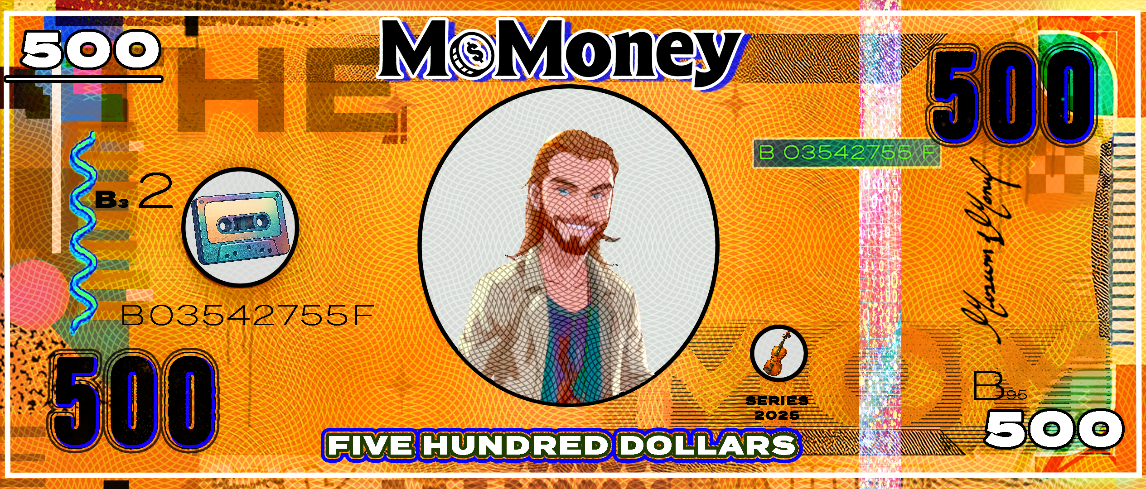
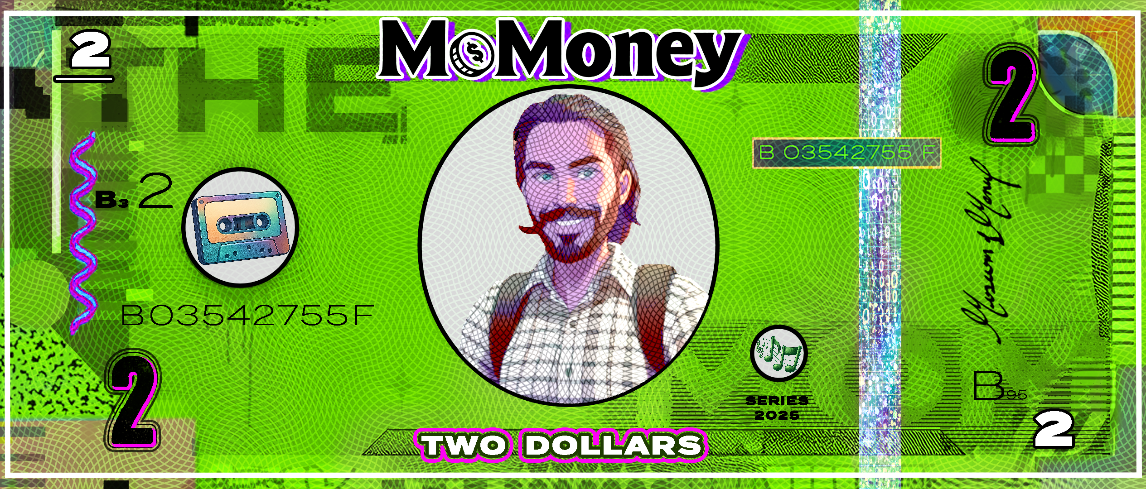
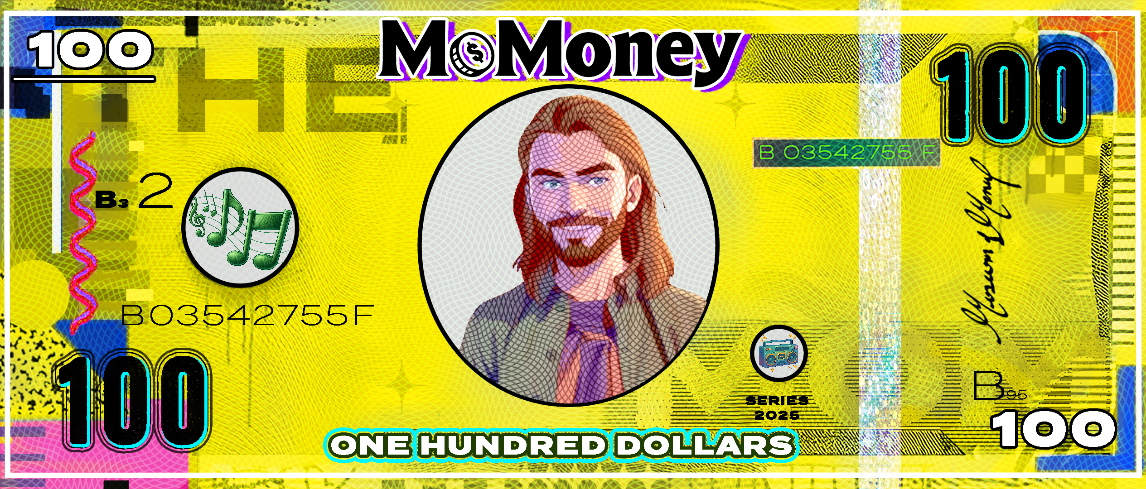
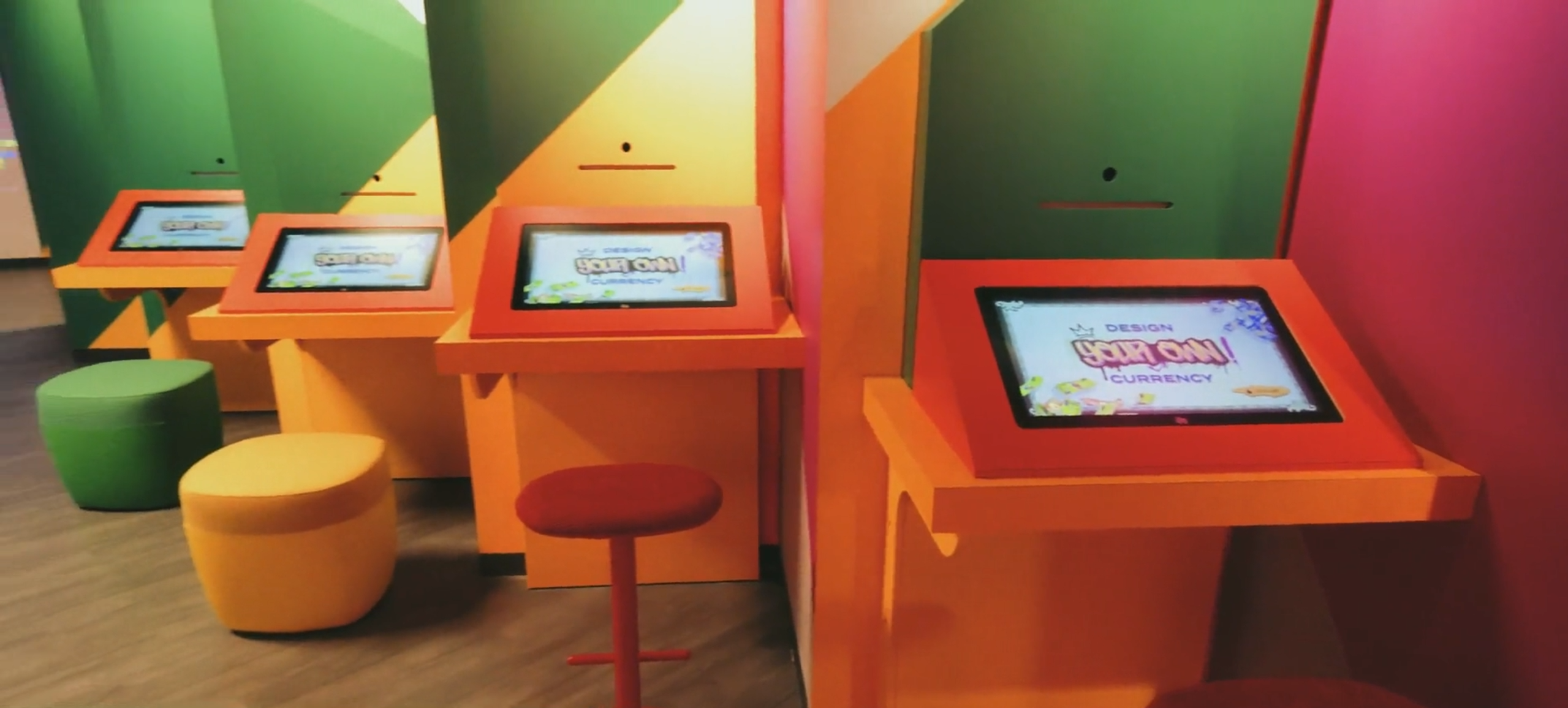
Design Your Own Currency
My first work with Fivestone Studios was creating the locally based Generative AI system in a photobooth-style experience for Museum of Money’s “Design Your Own Currency” interactive. Museum goers would sit at a touch screen kiosk, and be prompted: what would *you* make your dollars look like, if you were the graphic designer? The art direction and theme was towards a pop 80s sensibility, and I worked alongside other illustrators, designers and coders who created an amazing interface. Bright vibrant color choices, the ability to select fun icons that appear on a bill, all with a wild cartoonish, punk, neon, silly, pop sensibility.
The start feature is to be able to put your own face on the bill itself. But to match this fun, cartoonish feeling, Fivestone Studios wanted to create a cartoon caricature of the person. Not just overlays, filters, and adjustments, but a whole generated drawing. Generative AI is the perfect technology for this kind of application. I was brought on to quickly understand the ComfyUI environment to generate AI images from photos of people, so that it could run locally on servers in the museum alongside the web interface they built.
The Challenge: Consistency and Quality
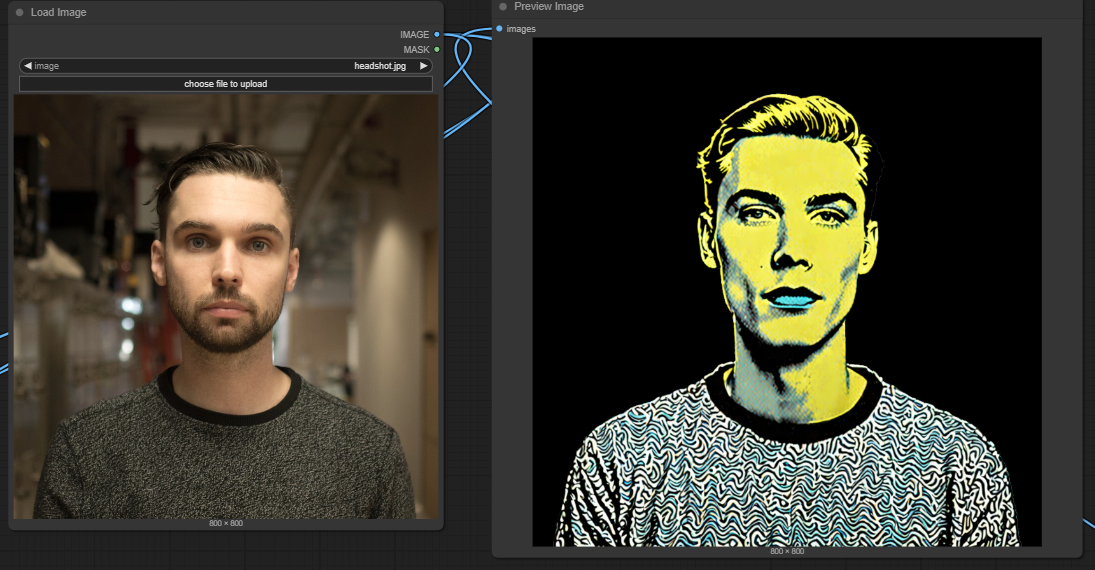
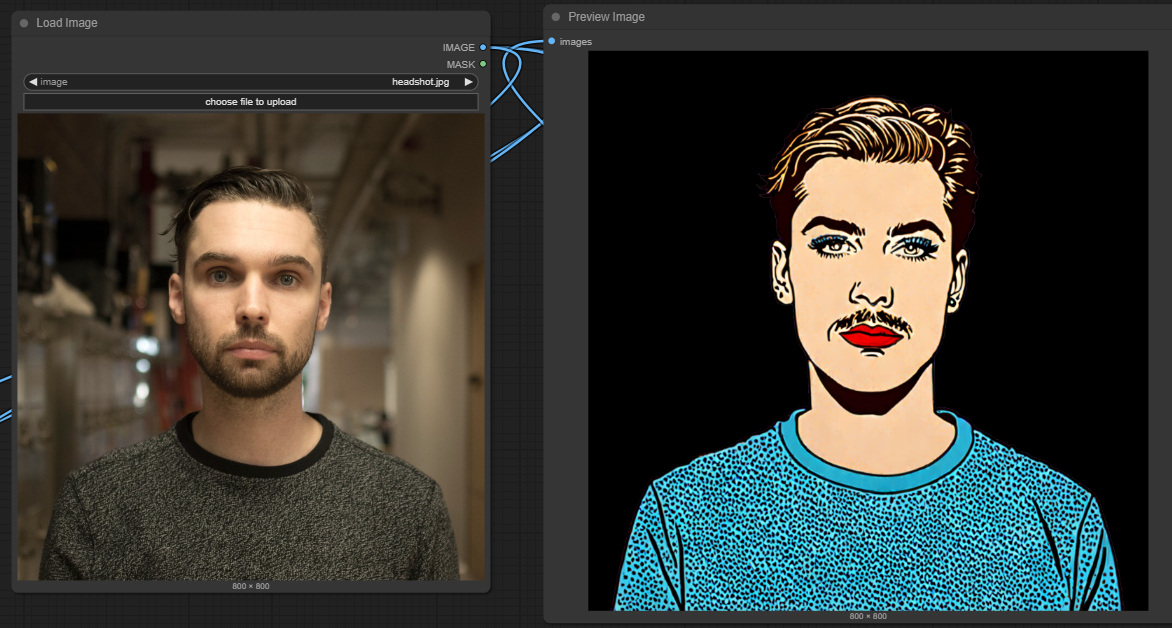
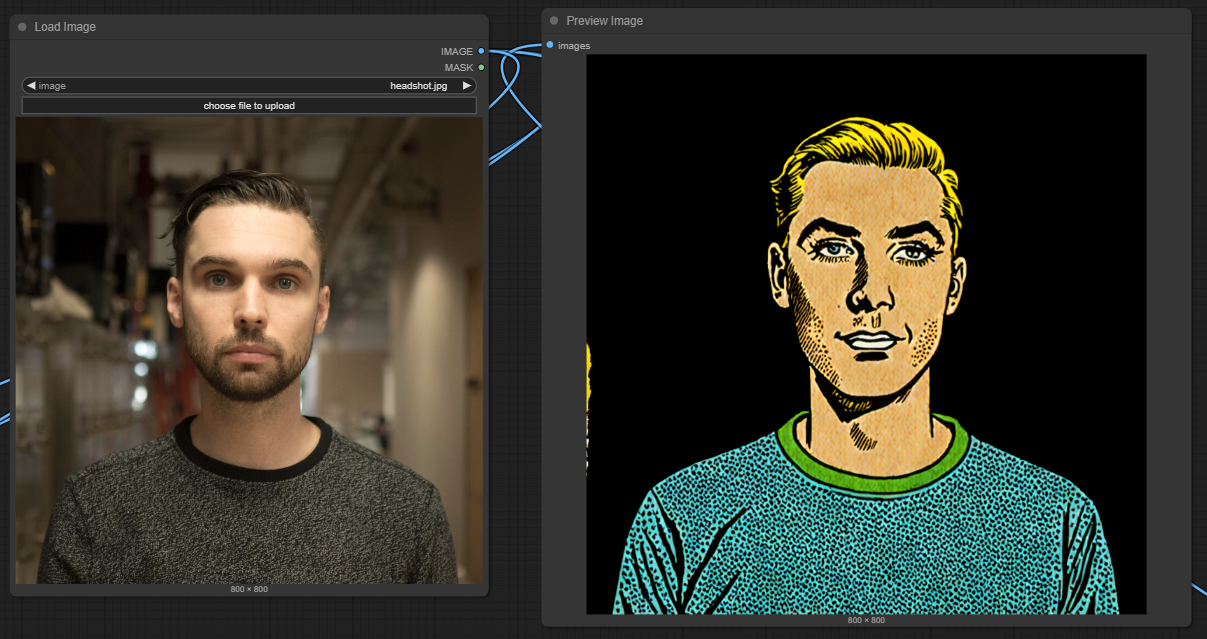
The main challenge was consistency of image generation, and speed a close second. We needed quality images, of course. But early tests showed that while certain approaches could make some very compelling images, even when good most of the time, there could still be an unacceptable failure rate. Small failures might be images drifting from the art team’s aesthetic desires. Big failures weren’t just ugly or grotesque outputs, but also unacceptable swapping or changing of genders or race. Having a couple great images generated wasn’t enough, we also had to ensure consistency.
The earliest experiments on my own face outlined some of the possible issues. Would 80’s “Glam Rock” type themes impose a uniformly feminized look that might make some uncomfortable? Would image generation models that knew of 80’s pop art skew towards blonde hair and impose it on people? Does a beautifying type effect sometimes go too far if we are prompting for things like celebrity likeness?
Iteration Process
As a museum goer, I may not be happy with a depiction of myself with added lipstick I didn’t ask for, blond hair I don’t want, or a jaw line so emphasized it makes me self conscious. Adjustments that got closer to an aesthetic could introduce these types of issues, along with optimization for generation time. The technical execution and the aesthetic execution were intertwined in an interestingly tricky way.
Fortunately, I was working with a great team that understood the somewhat unruly, non-deterministic nature of AI. There was enough flexibility within the art direction team and producers to be able to adjust aesthetic desires in order to provide quality output. But that took many days of experimenting, sharing, reviewing, and refining. Day by day, we got closer to an ideal combination of consistent, good looking, output that also didn’t take too long to generate on a local machine.
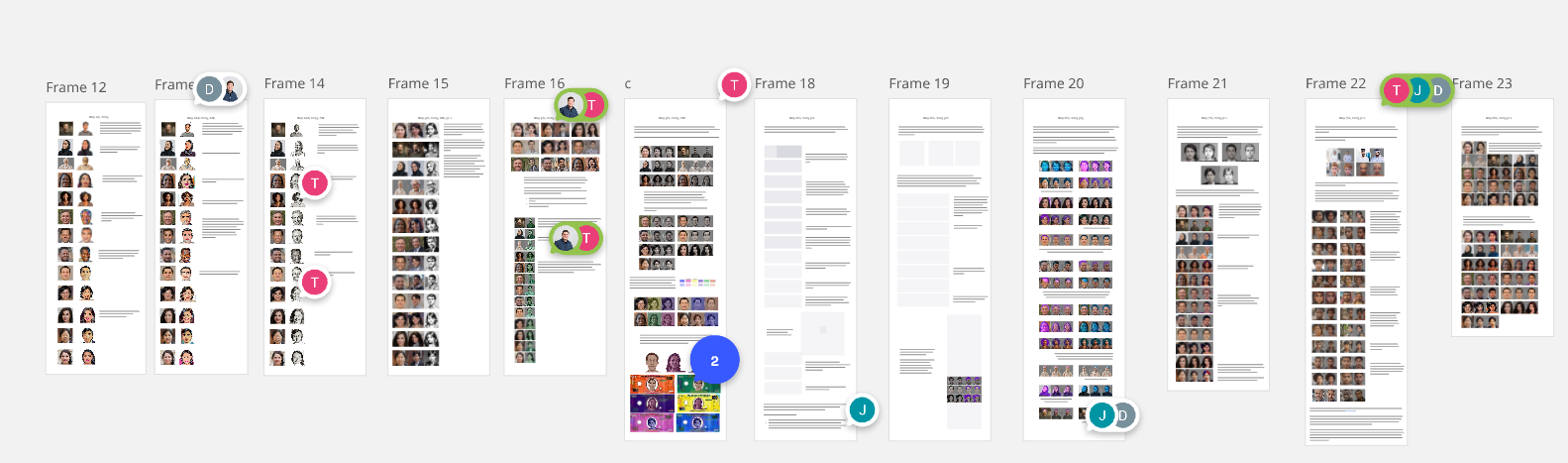
I won’t show too many early drafts and experiments, but I do want to share the scale of the iterative process. This is but a slice of a very large Miro co-working space where much of our review occurred. Daily updates on my progress, notes on the details of my attempts and my thoughts, with teammates responding via note to inform my next iteration cycle.
Refining with Consistency
Once we started getting close on a possible generation approach we were happy with, extra post-processing work could then be added in ComfyUI. Again, this is a question for consistency. Instead of prompting for saturated colors and introducing AI variability or aesthetic drift, I was able to build Photoshop-style image processing into the generation chain. Color and contrast balance adjustment allowed for the generated images to fit better within the color pallets and designs being created by the design team.
Then my generative system lives on a Node server, that provides generated images when quested. After sending back the AI caricature to the font end, the front end team adds “guilloche” texture on top of the entire bill. This not only creates a currency type feel on top of the generated image but also unifies the image with the overall bill itself.
People are given the option to re-take their photo, email it to themselves, and put it on a big screen projector at the end of the space.
Design Your Own Currency Final Thoughts
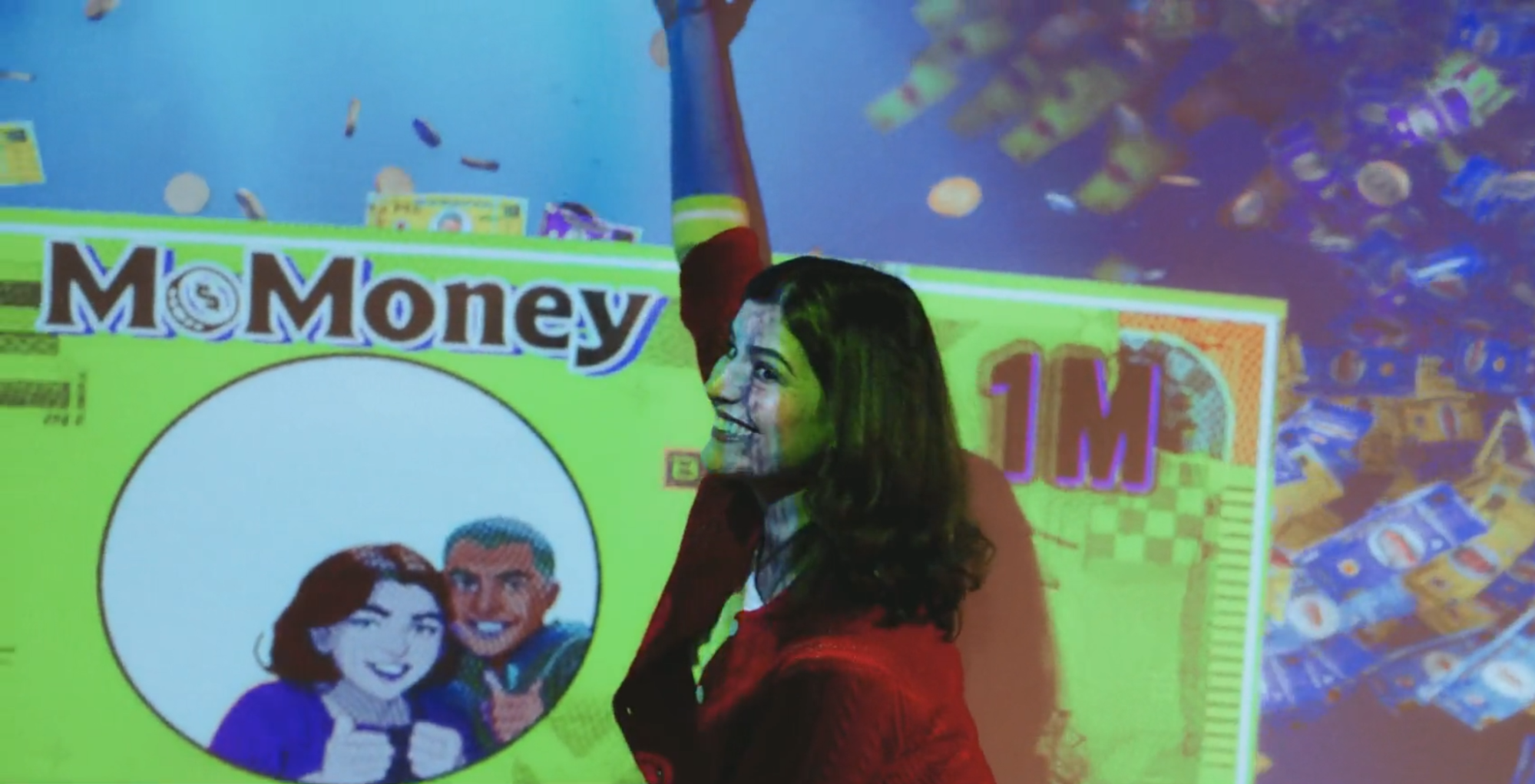
This project had all of the marks of a great Creative Technologist endeavor. I was tasked with learning a new technology. It required an interesting balance, navigating between artistic and technical concerns. It was a good fit of technology to the desired experience. It was a truly collaborative process, with many people working together to creating something special.
I was so heartened to see review of the Museum of Money come in after it opened to the public. You can see on Trip Advisor and Google Maps, people like to put their “Design Your Own Currency” bills as images in their reviews!
Scaling to New Contexts: Lenovo-FIFA
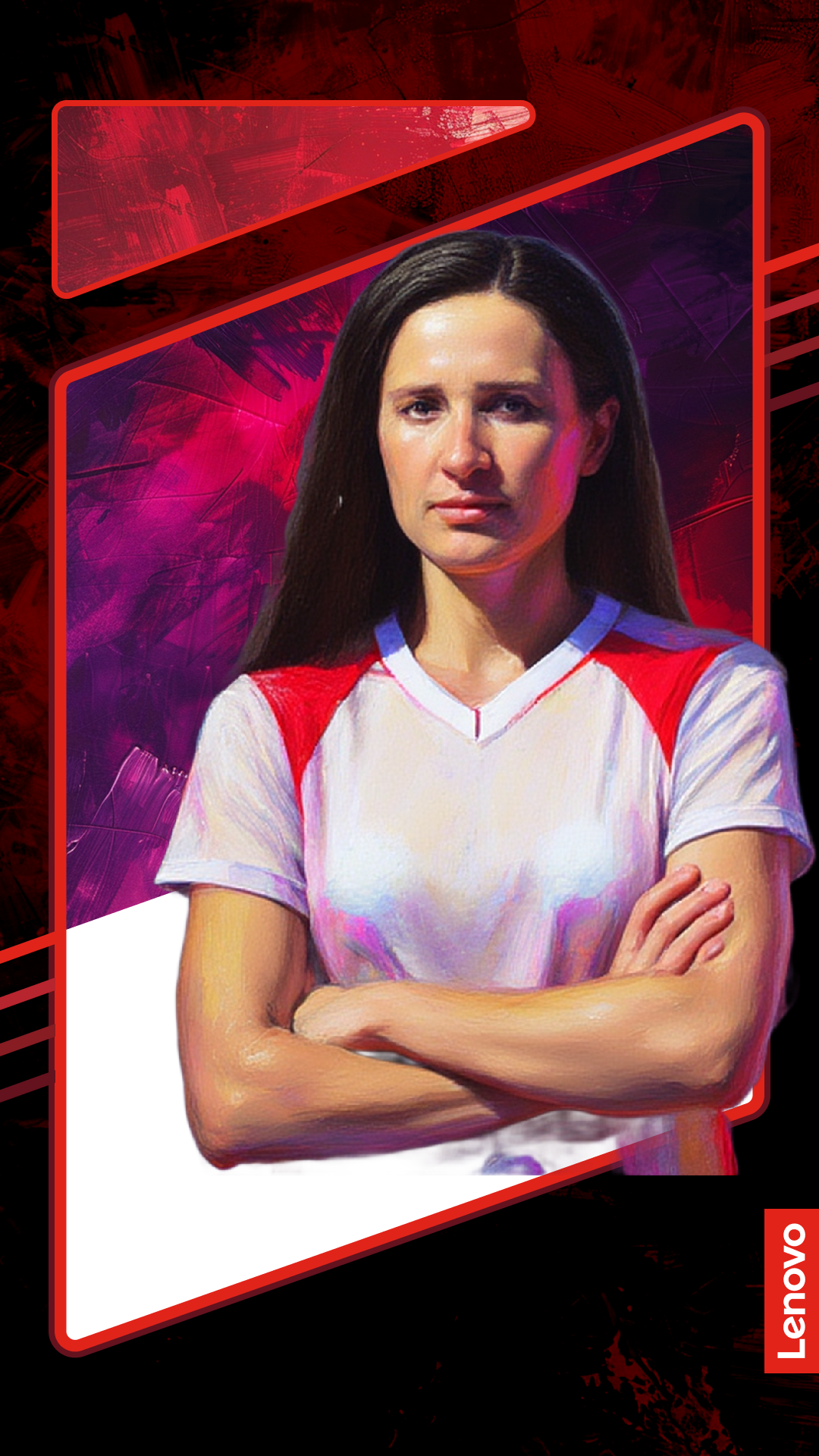
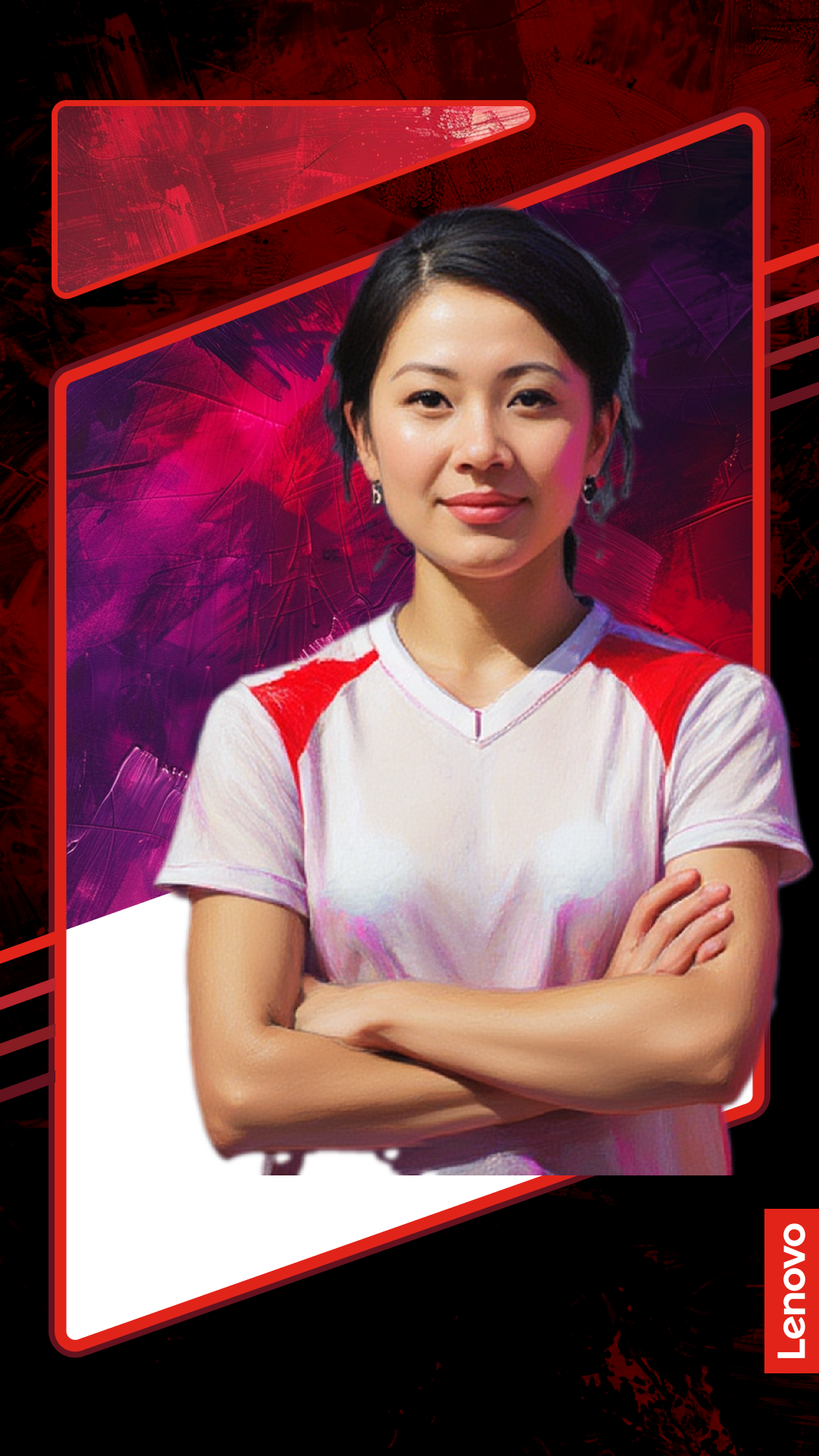
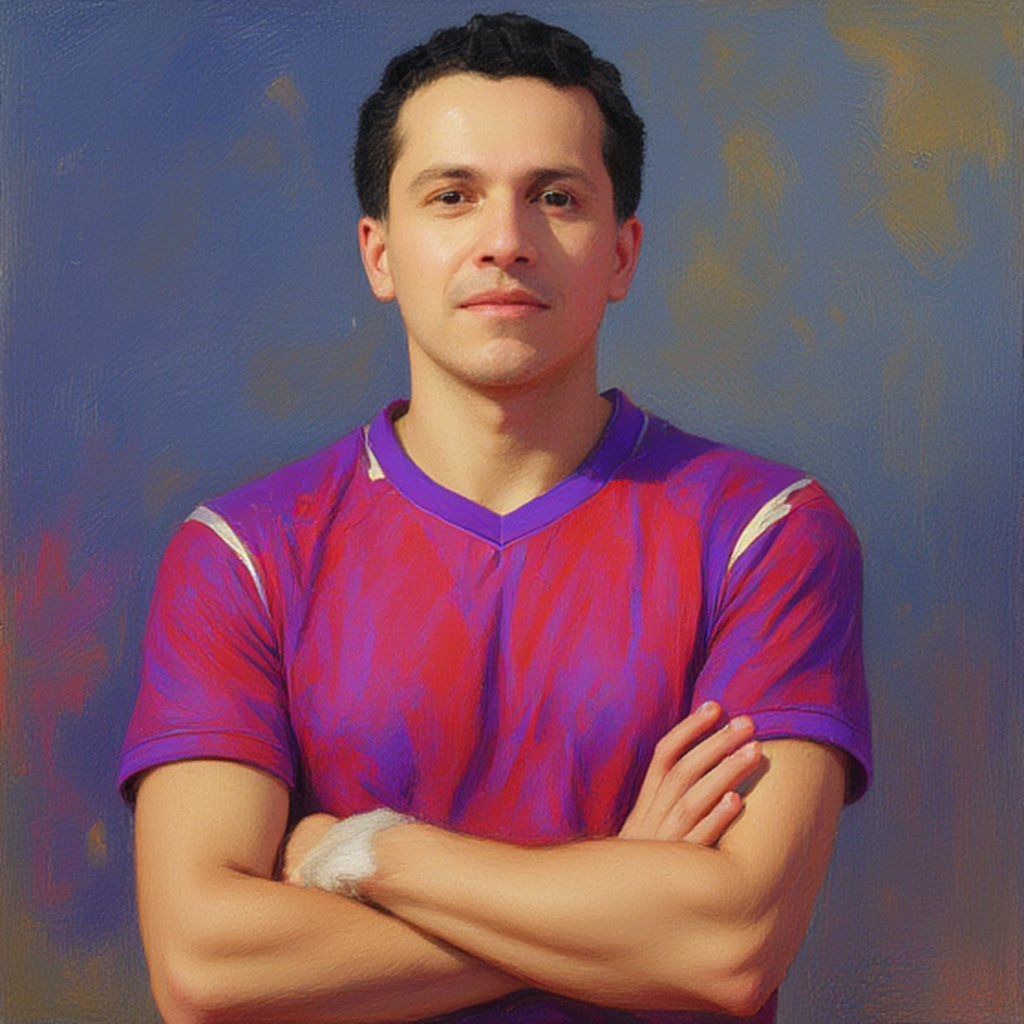
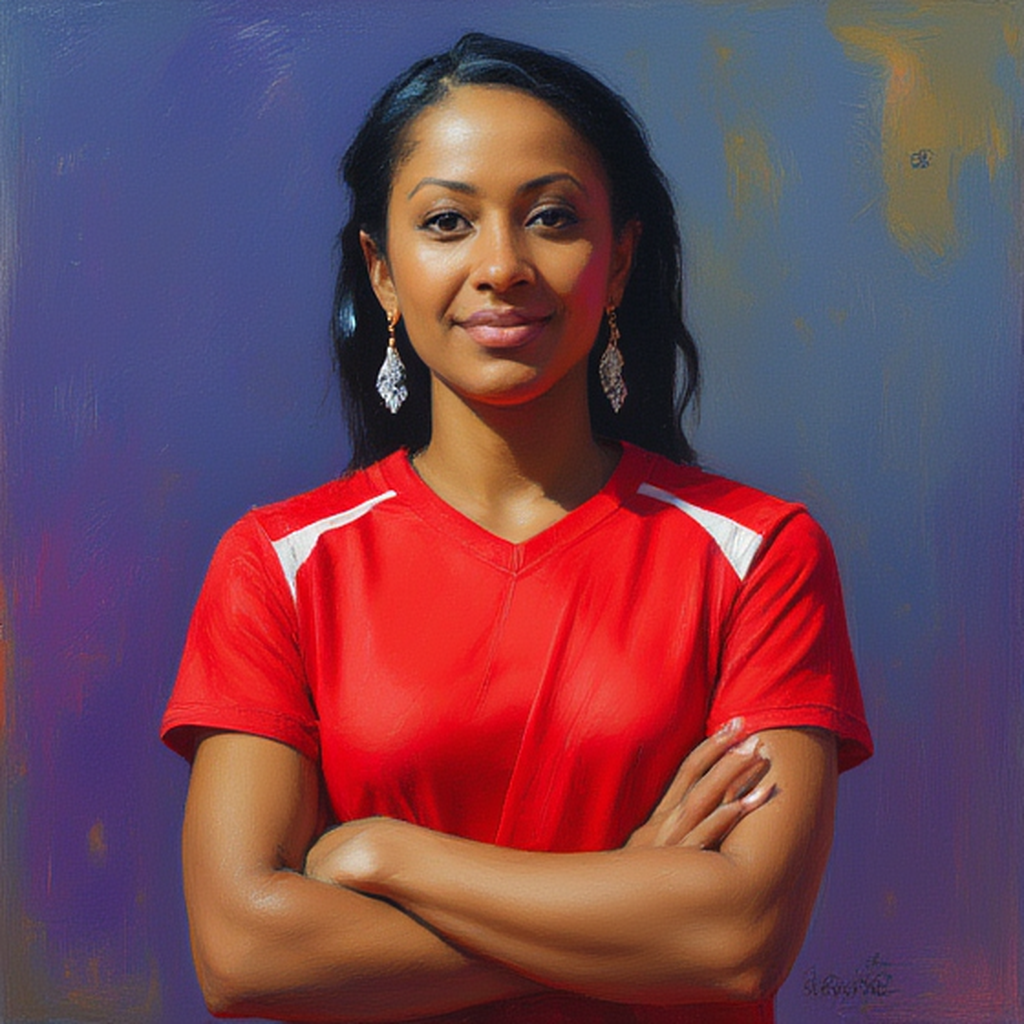
The success of the MoMoney work led to another opportunity. Fivestone invited me back to apply the same AI system approach to a completely different aesthetic for Lenovo and FIFA at various trade shows. Attendees could have their photos transformed into player cards wearing jerseys in Lenovo colors.
With the same team and refined approach, we quickly achieved a "painterly" image style. Users were placed in white, red, or purple soccer/football jerseys. The system ran locally on convention floors—no internet required—with fast generation times even in demanding event environments.
Lenovo-FIFA Results
Reflections
These projects embodied what makes the work of a Creative Technologist rewarding. I had to quickly learn new technology, navigate between artistic and technical concerns, find the right fit between technology and desired experience, and collaborate across disciplines to create something special.
Generative AI, when approached thoughtfully, can enhance interactive experiences in powerful ways. The key is understanding its strengths and limitations, working closely with artists and stakeholders, and maintaining focus on the user experience throughout the development process.