Overview
Creative Technologist for the “In Great Accord” exhibit at the City Lore Gallery in New York City. Creation of a “Dial-a-Joke Phone” for a museum exhibit about the history of accordions. Museum goers would dial a single number, one through nine, on a red retro-styled rotary phone and hear a joke about accordions. Physical computing and Arduino microcontroller programming to make a locally contained, entirely microcontroller driven system (MT8870 DTMF decoding). Voice acting, recording, sound editing, and some joke writing for content.
The Ask
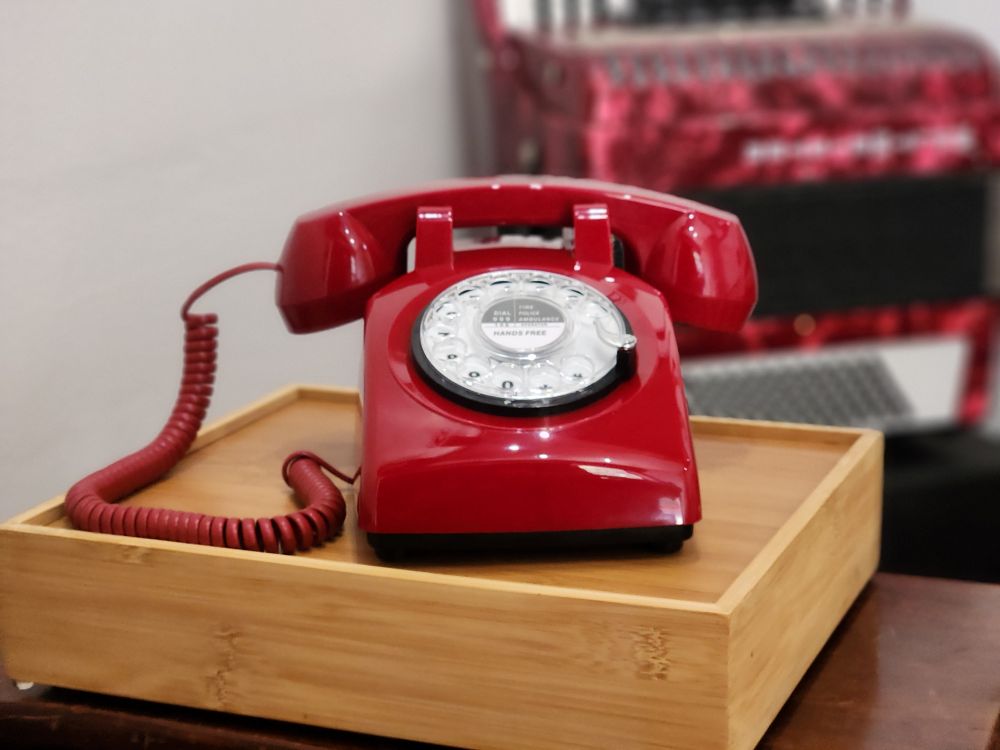
I was approached by the team creating “In Great Accord: The Accordion and The Immigrant City” a New York City, immigrant centric history of the accordion for the City Lore Gallery in New York City. The ask was simple: they wanted a retro style rotary phone that would play nine different jokes depending on what number you dialed. Being a non-profit, resources were tight, and they were flexible on the technical particulars as long as there could be a fun experience. They wanted something extra to augment the show, a fun memorable experience that mixed things up in a unique way.

Research: Task Analysis, Requirements
Happy to have been handed such a funny, unique project, I told them that certainly something fun would be achievable. In order to determine the most efficient way to achieve the greater goal, I started researching the fundamentals of the available technology.
Often it is useful for me to start my Creative Technologist project research with the fundamentals- both technical *and* practical. Initial searches for things like interactive phones provided interesting project breakdowns of cool interactives for things like escape rooms. However, much of this relied on full deconstructions of rotary phones, replacing much of the inner circuitry and resulting in a bespoke, one of a kind device. This is where my many years of experience can provide wisdom.
While specific client needs might require such an endeavor, I was working with constrained resources and a very clear ask. The phone did not need to be rung, only sound playing out of it’s receiver. They desired a retro look to match the aesthetic of the exhibition, but were also generally flexible on the style of the phone. Yes,of course my inner mad scientist did crave to pull apart an antique phone! But I also wanted something that was reliable, easy to trouble shoot if something went wrong, and flexible enough to go through unexpected changes or revisions.
So then I return to more fundamental questions: what is the easiest way to get audio into and out of a phone? Can I determine a number being dialed purely from audio? This way I can treat the phone more like a simple speaker, and a microphone. This also allows for a potential swapping of the phone itself, and doesn’t rely on phone specific wiring and reverse engineering of it’s buttons, speakers, and various components.
Luckily, I had a wonderful time researching the questions and got pleasing answers.
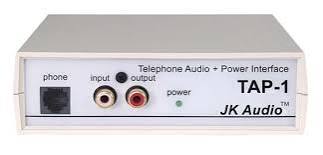
How to treat existing phone lines in a professional audio manner? We look to the world of broadcasting, thinking of things like call in radio shows. Manufacturer JK Audio has a variety of boxes that does the voltage translation necessary for making a phone work with something like an audio mixing board. Simply splicing phone lines into audio jacks and speakers does not work. I found a used JK Audio TAP-1 device that broke any standard phone out into RCA in and out audio signals.
Next, I wanted to know if I could determine the number dialed simply from analyzing the audio. Sure this had to work somehow… that is how the phone works normally, right? But there are two options: pulse dialing and DTMF dialing. Pulse dialing are simple clicks that are loud enough to be detected as discreet, binary-like numbers. This is how the first self dialing phones worked, and are seen on genuinely vintage phones. DTMF, or Dual Tone Multi Frequency, is the more modern version of tones you hear when pressing the various buttons on a phone.
My hope was to create a system that didn’t rely on conventional computers at all, if I didn’t have to. An all-microcontroller setup can theoretically ‘just work’, have no boot up time, and make life easier for museum staff. So my next step was to see if I could determine dialed numbers with a microcontroller alone.
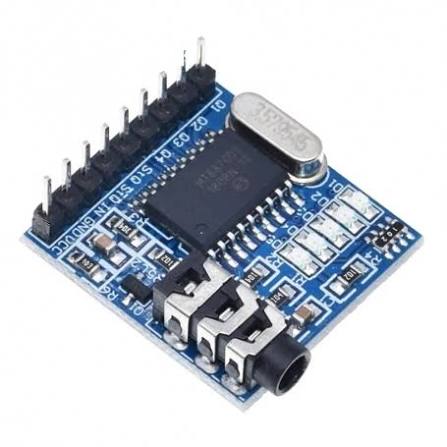
The preferred favorite seems to be the MT8870 DTMF voice decoding chip. Available as a cheap breakout module, the MT8870 has good Arduino related documentation and commonly used 3.5mm audio input. This was very promising, but a potential issue is that genuine vintage rotary phones use pulse dialing instead of DTMF. Luckily, not only are there new rotary phones being made that implement the more modern DTMF dial system… as I was researching it, the client emailed me to ask if the one I was already looking at could be a good choice! Creative Technologist kismet: an easily replaceable part, at an acceptable price, which works with the easiest standards to use, hand chosen by the client themselves.
High Level Plan, Updating Stakeholders
All this made for a clear plan: Phone plugs into TAP-1 audio box, TAP-1 output into the MT8870, TAP-1 input from a sound playback module, and both the MT8870 and sound module controlled by a microcontroller.
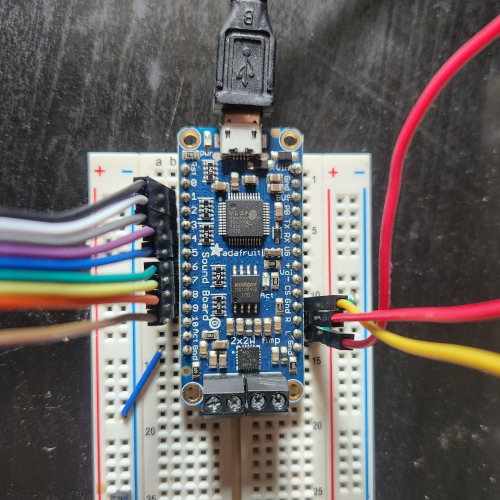
For my sound module I chose an Adafruit Audio FX Sound Board, and for my microcontroller an Arduino Leonardo.
The Sound Board’s operation is simple, only needing to tie input pins to ground to trigger the sound. While this limits the number of sounds available, that wasn’t a concern since we only needed 9 jokes. Early tests hooking the Sound Board up to the TAP-1 had audio snippets playing loud and clear in the telephone’s receiving speaker. The Arduino Leonardo then had enough remaining pins to connect to the MT8870. Using example code as a starting point, not only was I able to see the dialing interactions in the Arduino’s serial monitor, but the MT8870 itself has LED indication of different DTMF tones being received.
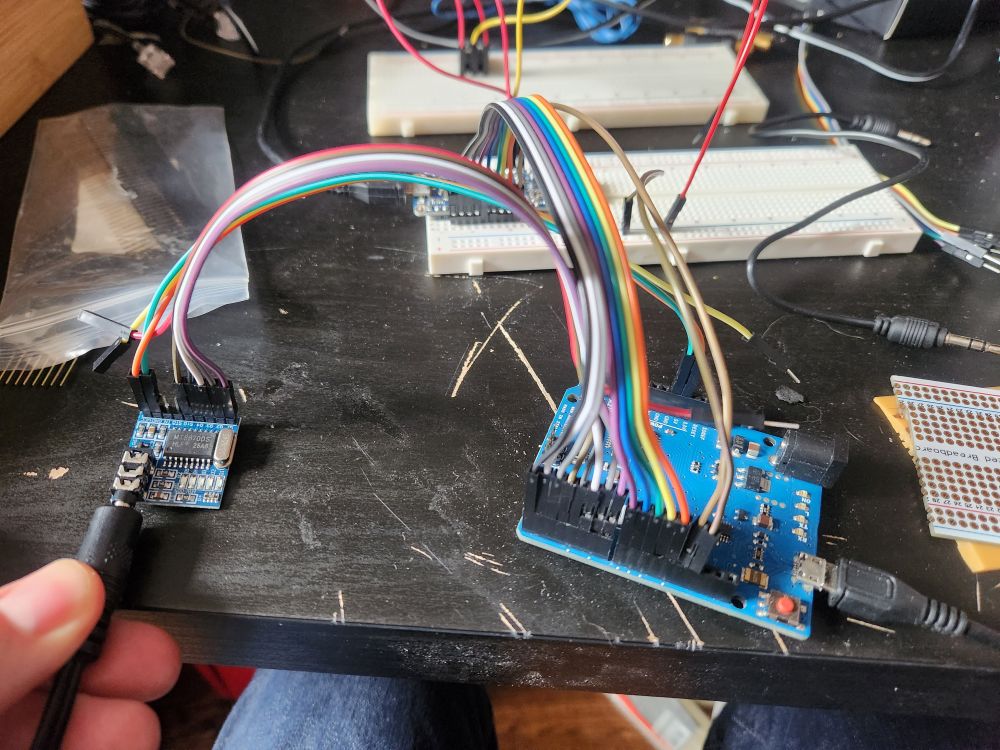
I always like to keep my clients and collaborators up to date on my project progress. Not only had I explained my plan to the technical project coordinator Marco, but ensured I would let him know as soon as possible if the approach was a success or not. Working asynchronously, I find it nice to make update videos and sometimes have a conversational approach as if they were in the room with me to demo. While he would trust me if I had sent a text saying “It works”, I like to give a bit more than that for everyone’s satisfaction, peace of mind, and project understanding. Marco is more technically inclined and was curious about my plan, so I went more technical with this walkthrough.
Success, Delivery
Luckily, this proof of concept hit all of the needed markers for the project. With a bit of review and confirmation with Marco, I was able to do more permanent soldering of the components, some wire consolidation, and tuck all of the system in a box that would serve as a platform for the phone. To make production easier, I offered to record myself telling the written jokes that Marco had made. I did some editing and created an original myself, but most of the work was recording, editing, and mixing the audio with basic noise removal and normalization. The Adafruit Audio FX Sound Board appears as a USB storage device when connected to the computer, making loading audio not only easy but also friendly to possible non-technical users in the future. Interestingly, this wasn’t as seamless as I had hoped, with some strange quirks when deleting or over-writing audio files. Just goes to show how you never know where the strange hurdles may appear in a project!
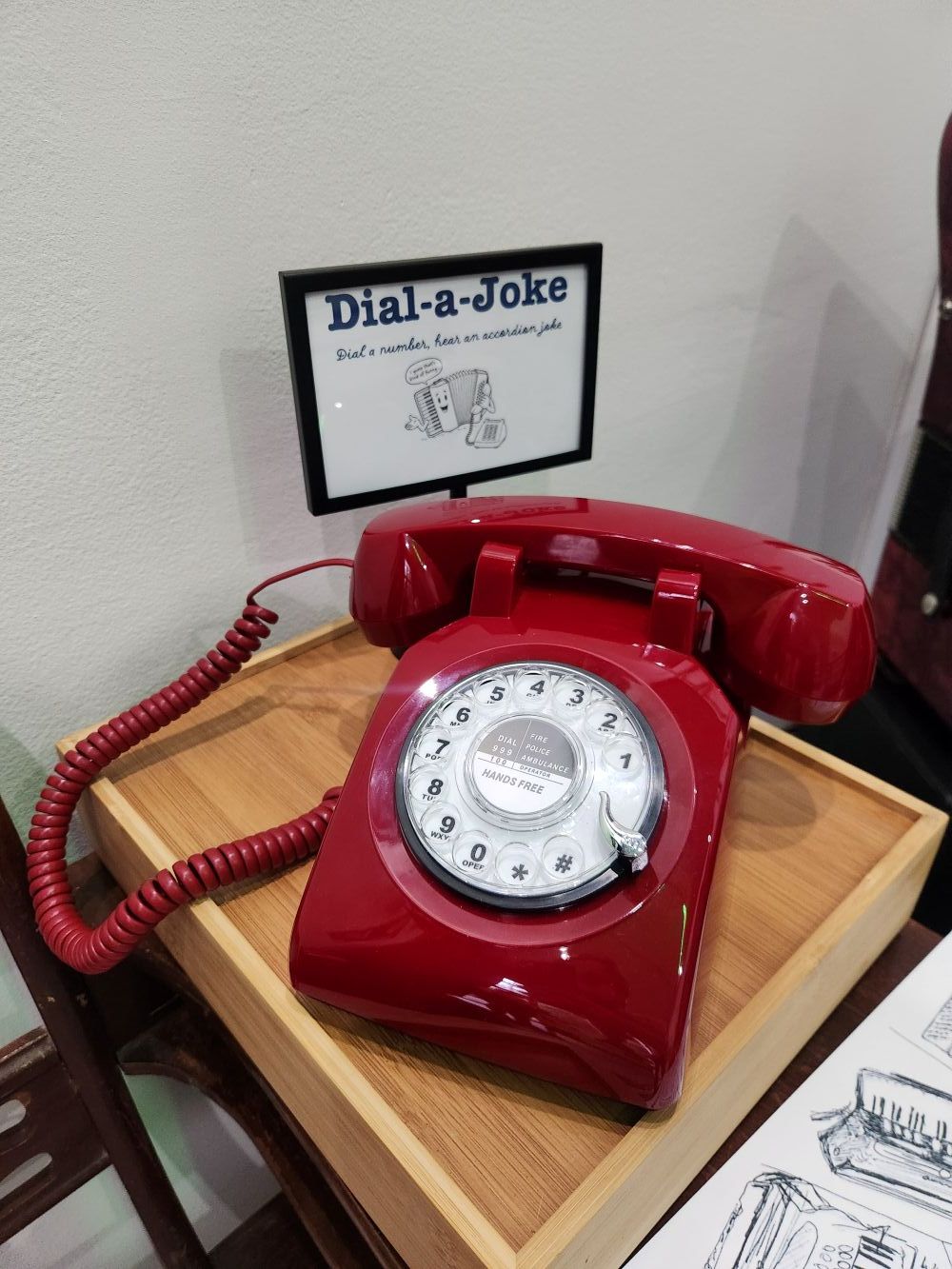
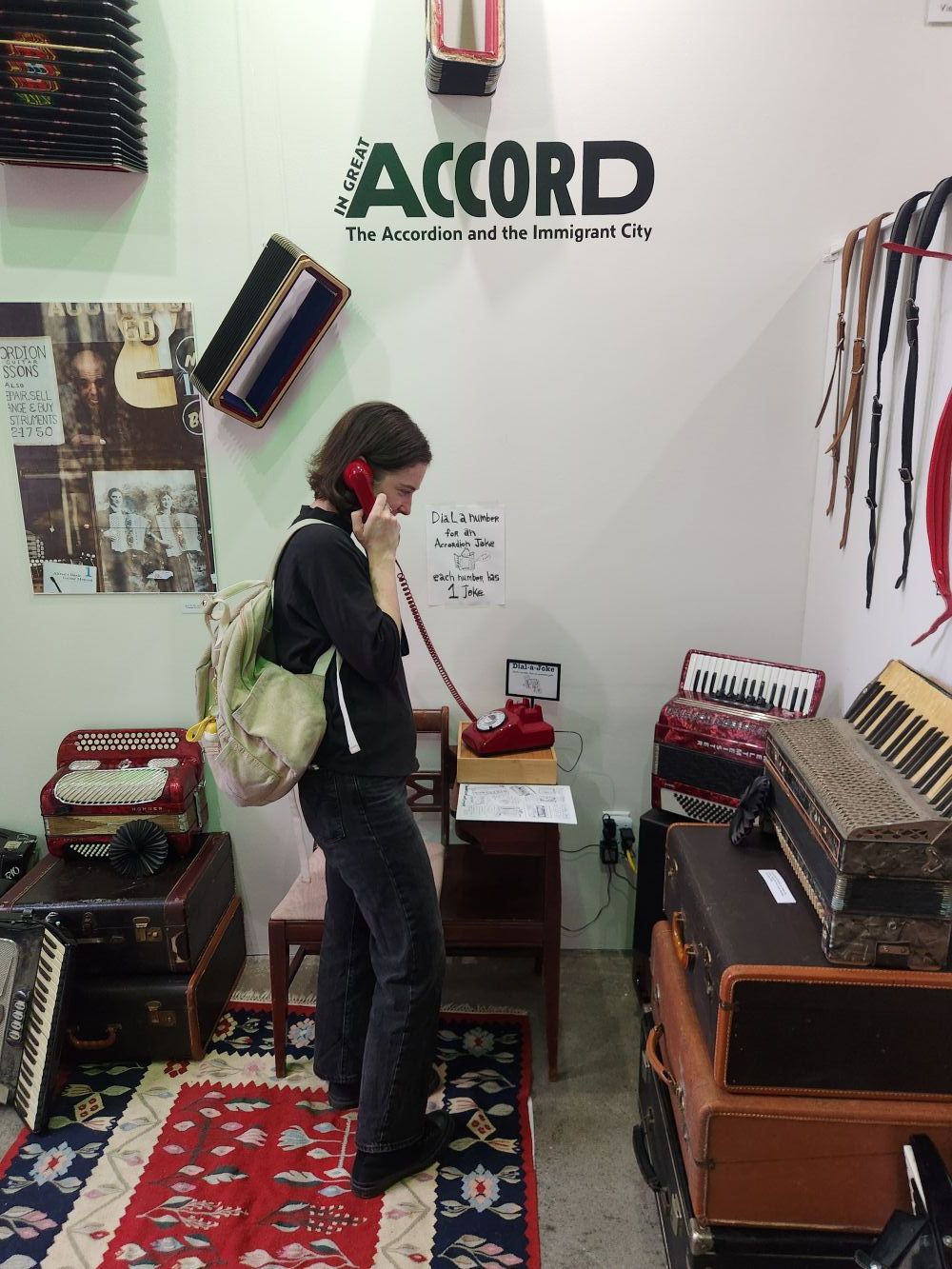
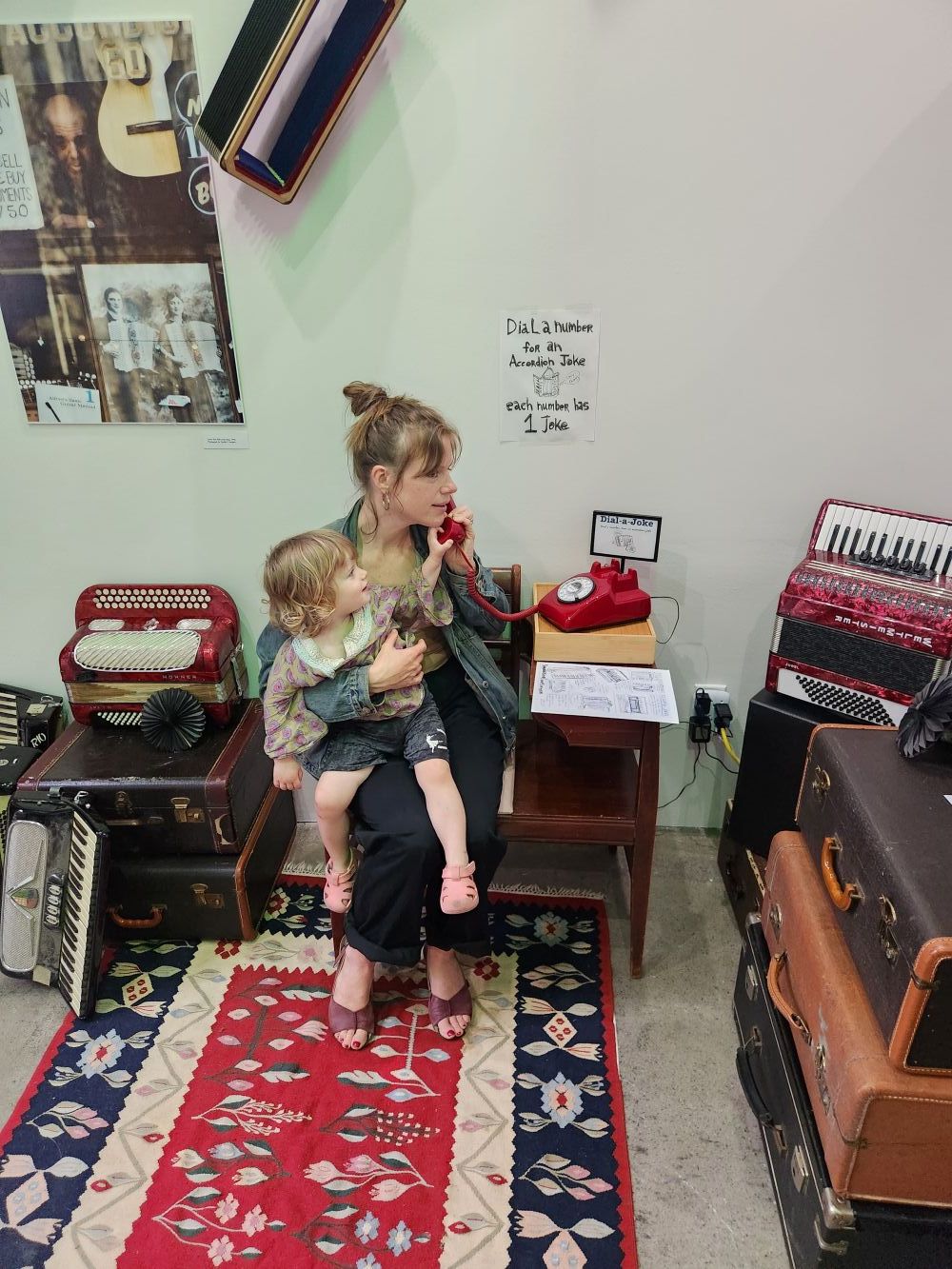
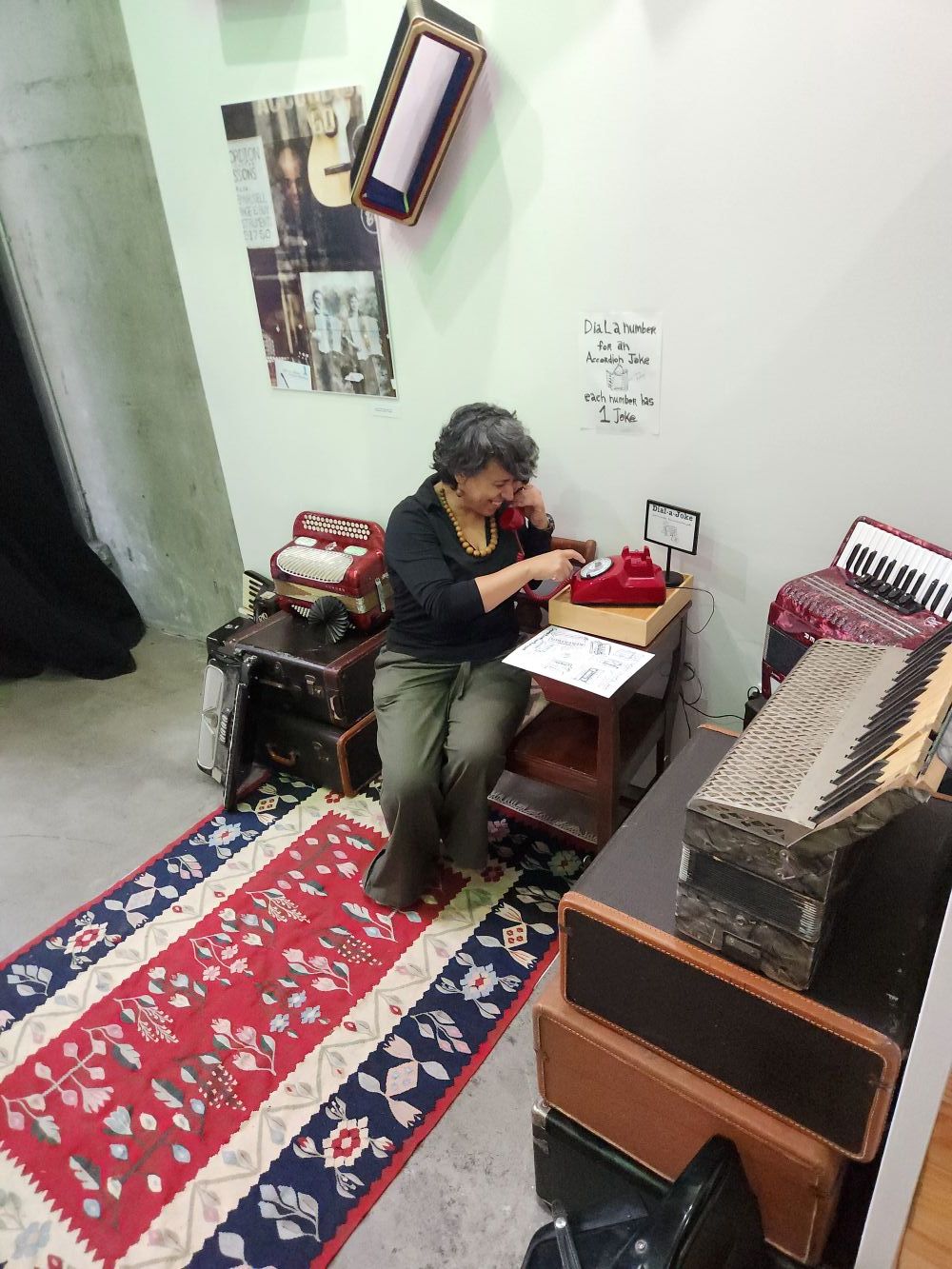
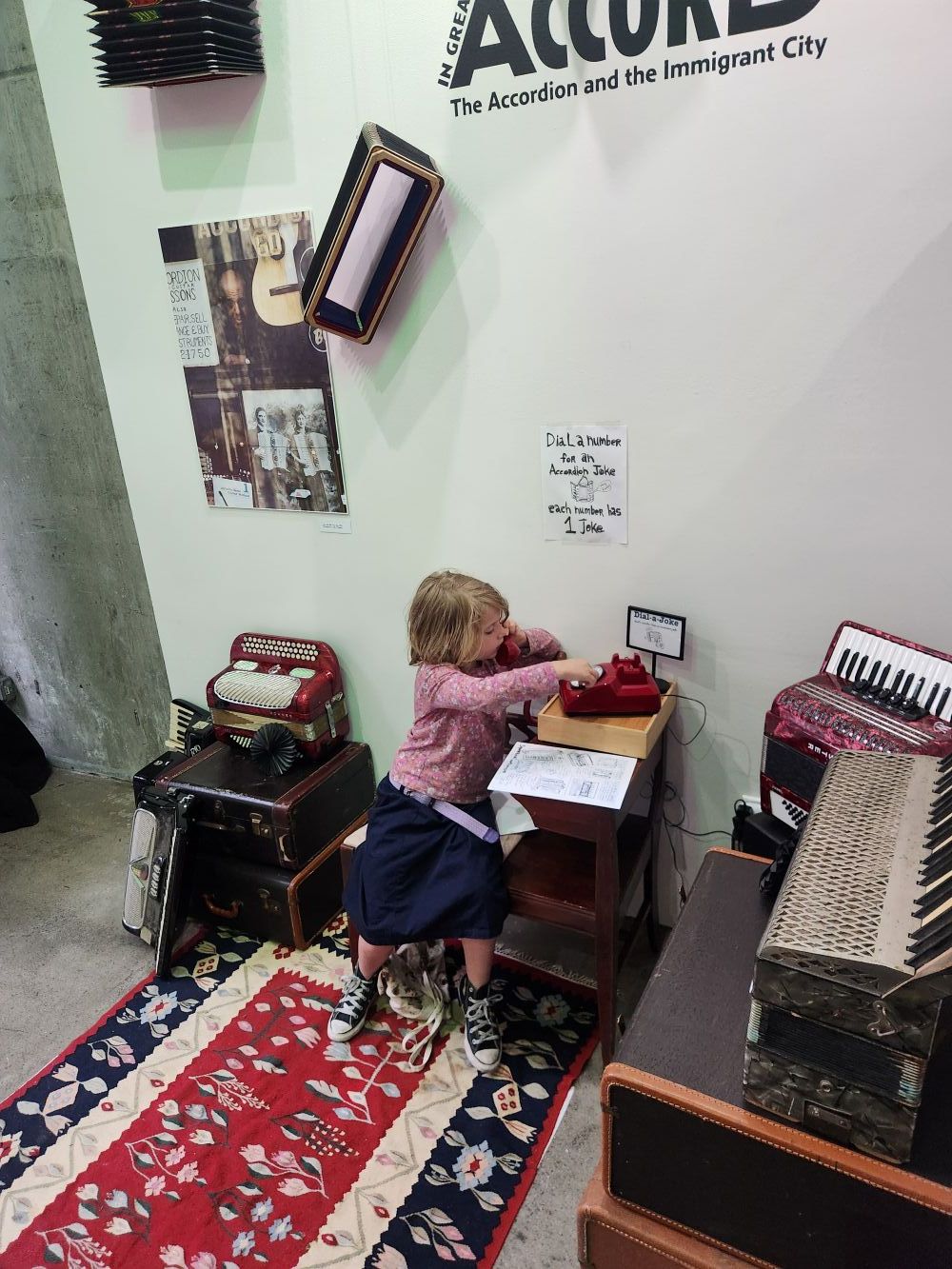
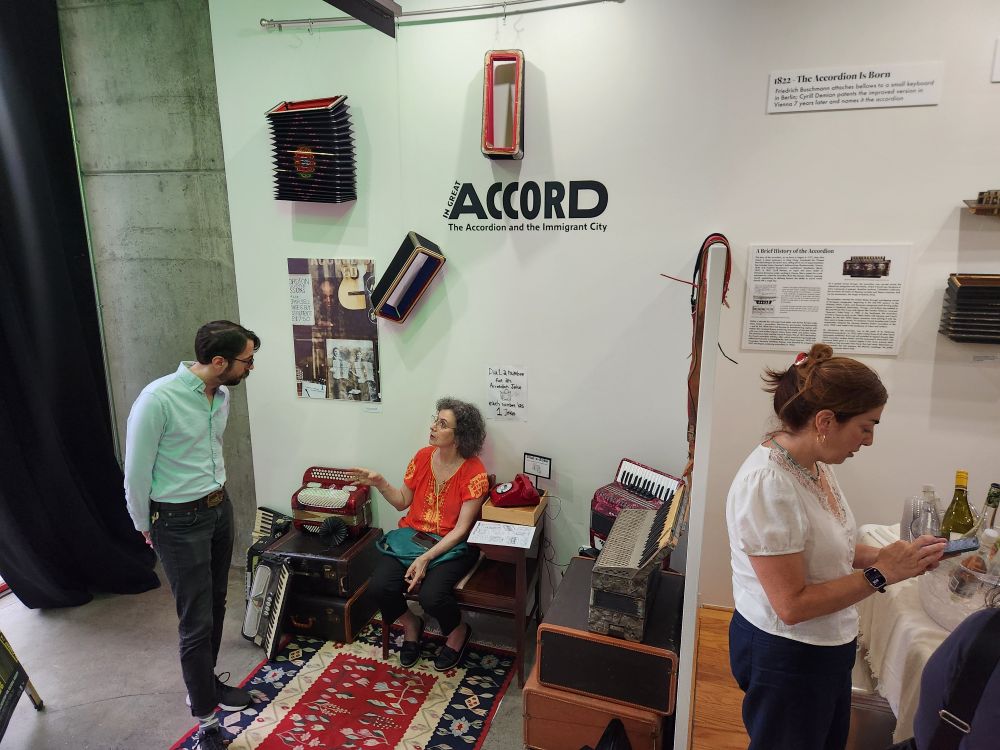
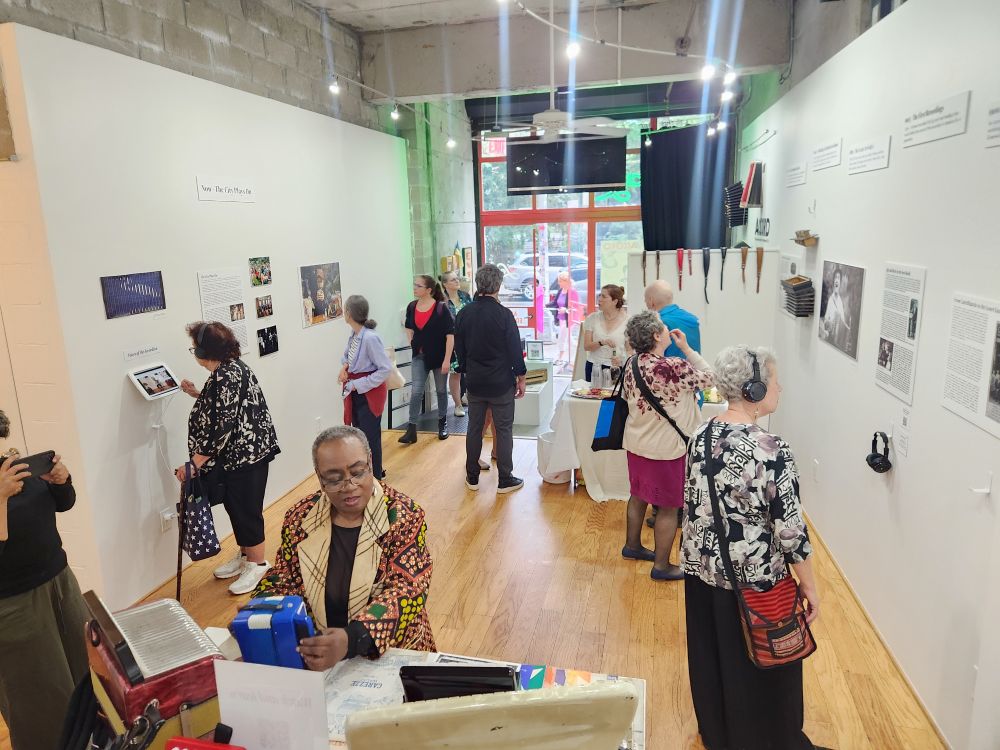
The Accordion Dial-a-Joke Phone was featured at the “In Great Accord” exhibit which ran from June 20th through July 5th. Sitting on a vintage chair with a built-in side table, museum attendees surrounded by accordions dialed for some jokes to hear. Various events occurred over the weeks the exhibit ran, and I would check in to make sure the phone was still operational and take photos. It ran the whole time with no issues, and was well received. While not the focus of learning about the history of the accordion and it’s relationship across all manner of NYC immigrant communities, the phone offered a bit of levity, and a unique interaction that mixed up the museum going experience. From laughs at the admittedly corny accordion puns (“Why can’t an accordion keep a secret? Because you can always *squeeze* it for more information!”), to young children’s fascination with rotary phones, the Accordion Dial-a-Joke was determined a success.
Many thanks to the City Lore Gallery, The Association for Cultural Equity and their staff for their wonderful exhibit and giving me the chance to be a part of it. You can find out more about them here:
https://www.culturalequity.org
https://accordionusa.news/in-great-accord-the-accordion-and-the-immigrant-city